
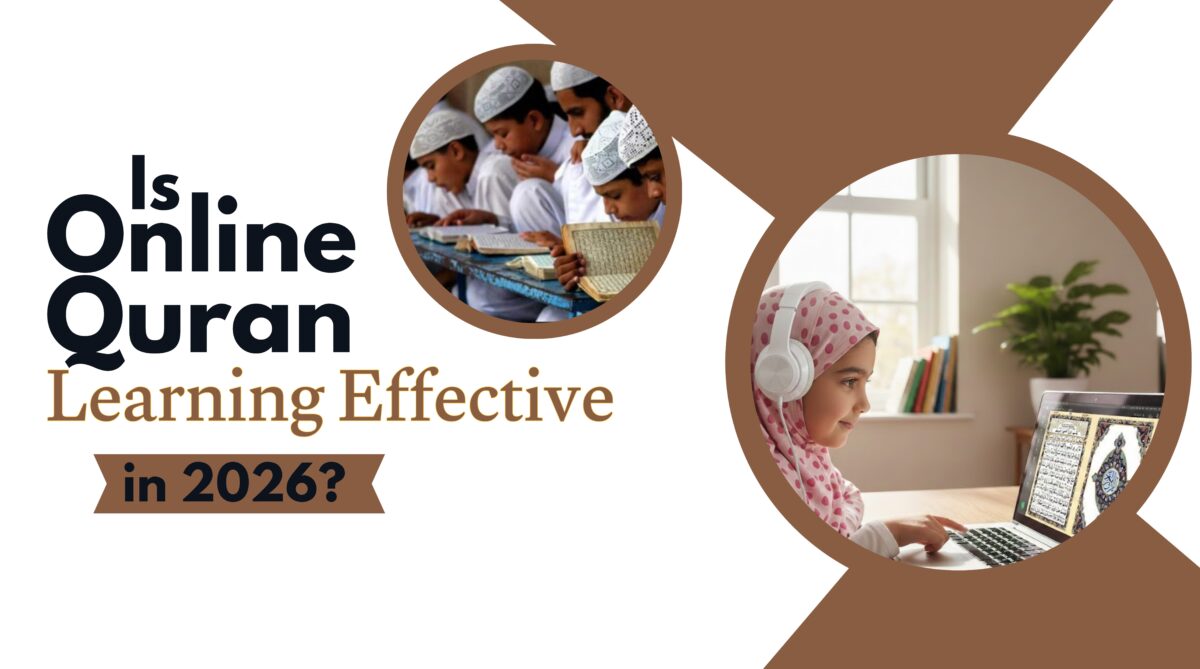
Description
A Real Look at What’s Working, What’s Not, and Whether It’s Worth It
Introduction
Let me be honest with you when I first heard about online Quran classes, I was skeptical. Like, genuinely skeptical. My grandmother used to say the Quran has to be learned the old way. Sitting in front of a real Qari, repeating after him, feeling the weight of it. And I get it. There’s something almost sacred about that image.
But here’s the thing. Life changes. Families move. Cities get busier. Kids have school from morning to evening. And not everyone is blessed with a trusted local madrasa within driving distance.
So when my son was seven and we couldn’t find a consistent local teacher, I gave online Quran learning a real shot. That was three years ago. And what I’ve seen since then both the good and the frustrating is what I want to share with you today.
Because the question isn’t just “does it work.” The real question is: does it work for your family, your kid, your situation in 2026, with all the tools and platforms we have now?
“The real question isn’t whether online Quran learning works in theory. It’s whether it works for your family, your child, your life.”
So What Does Online Quran Learning Actually Look Like in 2026?
It’s come a long way from the early days of blurry Skype calls and dropped connections every ten minutes. Honestly, if you haven’t looked at it recently, you might be surprised.
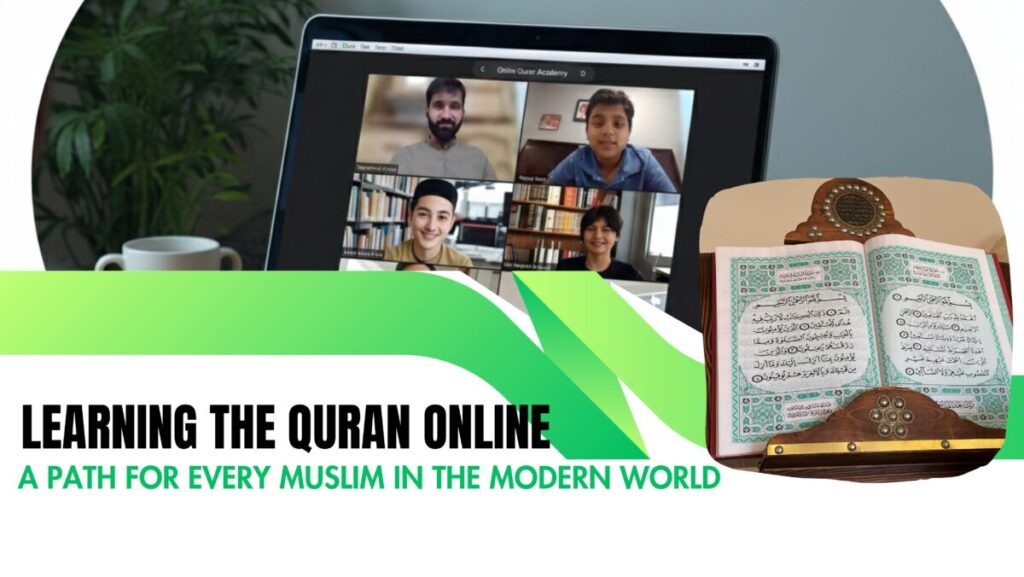
Most good platforms now offer one-on-one sessions via Zoom or their own apps, with screen sharing, digital Quran overlays, and even tools that let the teacher annotate the text in real time. Your child sits at home, opens a laptop or tablet, and connects with a qualified Quran tutor who could be anywhere Pakistan, Egypt, Saudi Arabia, the UK.
The sessions are usually 30 to 45 minutes, happen daily or a few times a week depending on the plan, and are recorded so parents can review them. That last part alone made a big difference for us. I could watch back my son’s session while making dinner and actually understand what the teacher was working on with him.
Curriculum-wise, most online Quran academies cover Noorani Qaida for beginners, basic Tajweed rules, Hifz programs, translation lessons, and even Islamic studies. Some are more structured, others more flexible. It depends entirely on the platform you choose.
Okay, But Is It Actually Effective?
Here’s where I want to be careful, because I think this question gets a lazy answer a lot of the time. People either say “yes, completely” or “no, nothing beats in-person” and both of those feel like oversimplifications.
The honest answer is: it depends. But it depends on specific, knowable things.
When it really does work well:
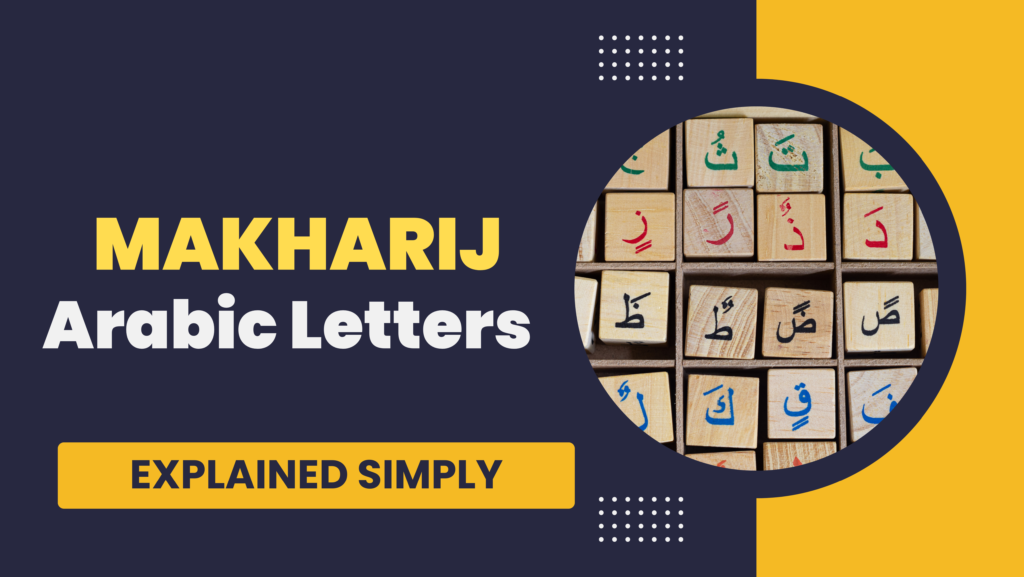
My son made solid progress learning Tajweed online. His Makharij improved noticeably over six months, which honestly surprised me. Why? Because the teacher was consistent, the sessions were regular, and there were no cancellations due to rain or someone’s Eid plans.
Consistency, as it turns out, matters more than format. A child who has online Quran classes four times a week with a dedicated tutor will almost always outpace a child who goes to a local madrasa twice a week but misses sessions regularly.
Also and this is something nobody talks about enough some kids actually learn better one-on-one. In a group madrasa setting, a shy child might never correct their mistake because they’re embarrassed. Online, it’s just them and the teacher. There’s less pressure, and the feedback loop is faster.
When it struggles:
Younger kids say, four or five can find it hard to sit still and stay focused in front of a screen. That’s just reality. Some need the physical presence of a teacher to stay engaged. Screen fatigue is real, especially when they’re already in school online for half the day.
Also, not every platform is equal. I’ve seen academies where the “qualified tutor” turned out to be someone with a basic recitation ability and no formal Tajweed training. That’s a real problem, especially when you’re trying to learn Quran online with Tajweed properly. A bad habit picked up early can take years to correct.
“Consistency matters more than format. A child with four online sessions per week will likely outpace one attending a physical madrasa twice a week with frequent gaps.”
Online Quran Classes vs. Traditional Madrasa A Fair Comparison
Here is a side-by-side look at how both options compare across key areas:
| Category | Online Quran Learning | Traditional / Local Learning |
|---|---|---|
| Scheduling | + Flexible — choose your own time | – Fixed class timings |
| Teacher availability | + Access to global certified teachers | – Limited to local availability |
| Female teachers | + Easily available on most platforms | – Difficult to find in many areas |
| Class format | + One-on-one, focused sessions | – Often group classes |
| Tajweed quality | + Certified Tajweed instructors | Varies by location |
| Convenience | + No commute required | – Travel required |
| Cost | + Competitive, often more affordable | Varies widely |
I want to be fair here, because I have deep respect for traditional Islamic education. The madrasa system has preserved this Deen for centuries. That’s not nothing.
But the world is different now. And for many families especially those in non-Muslim-majority countries a local madrasa isn’t accessible, affordable, or even available. So let’s look at this honestly.
Flexibility: Online wins. You can schedule around school, work, and family life. No commute. No rigid timings.
Teacher access: Online wins here too, surprisingly. You can pick a scholar from Madinah or a certified Hafiz from Cairo options that simply don’t exist in most Western cities.
Atmosphere & environment: Traditional madrasa wins. There’s a spiritual energy in learning Quran with other students, in a room that smells like old books and warm tea. That’s hard to replicate.
Accountability: It’s a tie, honestly. Both formats require parental involvement. Neither is a “drop off and forget” solution not if you want real progress.
Cost: Online is usually more affordable, especially if you’re comparing to a private tutor coming to your home.
My personal take? For families outside Muslim-majority regions, or those with tight schedules, online Quran learning has become the more practical and often equally effective option. It’s not a compromise anymore it’s a legitimate path.
The Challenges Are Real Here’s How Families Deal With Them
I don’t want to paint this as perfect. There are genuine challenges, and pretending otherwise doesn’t help anyone.
Screen time overload
This is probably the most common complaint from parents. Kids are already on screens for school. Adding Quran on a screen too can feel like too much. Some families handle this by keeping the Quran session right after Fajr before any screen time so it feels separate and sacred. Others use a tablet that’s exclusively for Quran and Islamic content. Small things, but they help.
Finding a teacher you can trust
This takes effort. I genuinely spent two weeks doing trial sessions before we found our current teacher. But it’s worth it. Look for platforms that share teacher credentials openly, have trial class options, and let you switch tutors if it’s not working. Platforms like Kalamullah Online have been around long enough to build a track record and that kind of reputation matters when you’re trusting someone to teach your child’s Quran recitation.
Keeping motivation alive
Let’s be real some days your kid does not want to open that laptop for a Quran session. The novelty wears off. This is where short-term goals help. Finishing a Surah. Earning a certificate. Getting verbal praise from the teacher. Kids respond to milestones, whether the class is online or offline.
How to Choose a Good Online Quran Academy Without Getting Burned
Okay, this is practical stuff that I wish someone had told me at the beginning.
1. Check teacher qualifications, not just testimonials
Anyone can collect five-star reviews. Ask specifically: Does the teacher have an Ijazah? Are they trained in Tajweed? Have they taught children before? A good academy will answer these questions without hesitation.
2. Take a trial class more than one if needed
Most platforms offer a free trial. Take it. Watch how the teacher handles your child’s mistakes. Are they patient? Do they explain clearly? Do they make learning feel warm, not clinical? That vibe matters a lot, especially for young kids.
3. Look for structure, not just sessions
Good e-learning Quran platforms have a clear curriculum. You should know what your child will be working on this month, and what milestone comes next. If the answer is vague, that’s a red flag.
4. Involve yourself
This might be the most important one. The families I’ve seen get the best results are the ones where a parent sits in on sessions at least occasionally and follows up afterward. Asking your child to recite what they learned at Maghrib time reinforces it in a way no teacher alone can.
5. Trust your instincts
If something feels off the teacher seems distracted, the sessions keep getting rescheduled, your child dreads logging on trust that feeling. There are enough good platforms now that you don’t have to settle.
“The families that see the best results aren’t just signing up and logging off. They’re involved, asking questions, reviewing sessions, and treating online Quran learning as seriously as any other education.”
A Word on Tajweed Online Can You Really Learn It Properly?
This is the question I get most from other parents. And I understand the concern. Tajweed is subtle. It’s about the shape of your mouth, the flow of breath, the exact timing of a ghunnah. Can a teacher really correct all that through a screen?
Honestly? Yes if the setup is right. A decent microphone on both ends makes a huge difference. HD video so the teacher can see your child’s mouth. And a teacher who is trained specifically in online Tajweed instruction, not just Tajweed itself.
My son’s Tajweed has improved measurably. His teacher uses the screen to circle letters in the Mushaf, point to Makharij diagrams, and replay recordings of my son’s recitation so he can hear his own mistakes. That’s genuinely sophisticated pedagogy and it works.
Can it fully replace sitting next to a Hafiz and having your every breath corrected? Probably not. But for the vast majority of learners who are not aiming to become professional Qaris it absolutely gets the job done.
Final Thoughts Is It Worth It?
Three years in, here’s where I land.
Online Quran learning in 2026 is genuinely effective. Not a workaround, not a last resort genuinely effective. The tools are better, the teachers are more qualified, and the platforms have figured out what works. For Muslim families navigating busy modern lives, it has been a genuine blessing.
But and this matters it still requires you. It requires parental involvement, realistic expectations, and a willingness to invest time in finding the right teacher. Done halfway, it’ll feel like it doesn’t work. Done properly, it can give your child a relationship with the Quran that lasts a lifetime.
My son can now recite Surah Al-Mulk from memory with correct Tajweed. He does it after Isha without being asked. I don’t know exactly when that shift happened but it did. And it started with one uncertain, slightly skeptical trial class on a Tuesday afternoon.
So if you’re on the fence take the trial. Find a reputable platform. Sit in on that first session. See how your child responds. The technology is there. The teachers are there. All that’s missing is that first step.
May Allah make it easy for every family seeking to connect their children with His Book. Ameen.
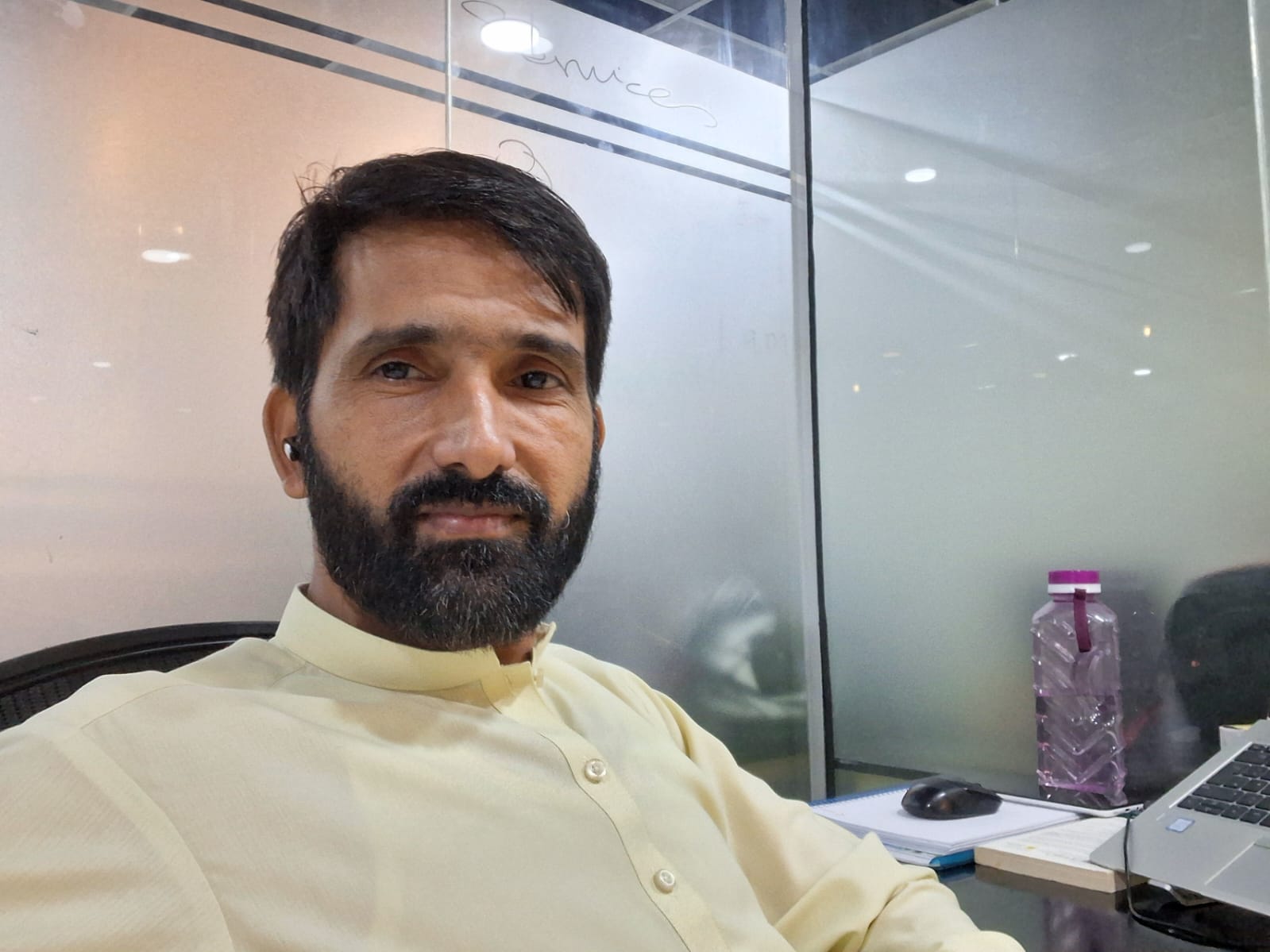
Hafiz Iqrar Ahmad
Hafiz IQRAR is the founder and lead instructor at Kalamullah Online Quran Academy, dedicated to delivering quality Quran education worldwide.
With over 7 years of experience in online Quran teaching, he has successfully taught students of all ages and backgrounds.
He is highly skilled in Tajweed, Tarteel, and Quran recitation, ensuring each student learns with precision and understanding.
As a certified instructor, Hafiz IQRAR focuses on building strong foundations in Quranic reading and pronunciation.
His calm teaching style, patience, and spiritual guidance inspire students to develop a deep love for the Quran.
He has trained and guided many teachers, maintaining high teaching standards across the academy.

Hafiza Jawaria
Hafiz Jawaria is a skilled and dedicated Quran teacher known for her beautiful recitation and expertise in Tajweed and Quran reading. A graduate in Islamic Studies, she combines strong academic knowledge with a passion for teaching. Her patience and kind approach help students learn with confidence and ease. She ensures every lesson is delivered with clarity, care, and spiritual depth, inspiring students to love the Quran.