
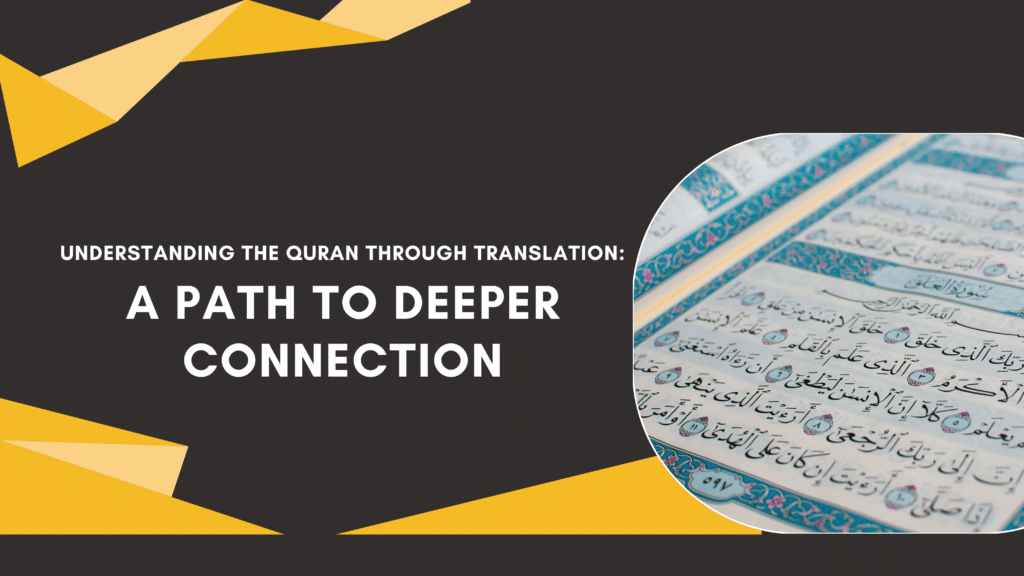
The Quran is the divine word of Allah, revealed to Prophet Muhammad ﷺ as guidance for all
of humanity. For Muslims around the world, reciting the Quran is an act of worship, but
understanding its message brings an even deeper spiritual connection. While the Quran was
revealed in Arabic, millions of Muslims today speak other languages such as English, Urdu,
German, and many more. Because of this, Quran translation plays a vital role in helping
believers understand the true meaning and guidance of the holy book.
Studying the Quran’s translation lets Muslims dive deeper into its meaning, understanding
Allah’s commands, prophets’ stories, moral guidance, and spiritual wisdom. With online learning
platforms, Quran translation classes are now widely available. Institutes like Kalamullah Online
Academy help global students grasp the Quran’s message through expert-led courses ��.
This article explores the importance of Quran translation, the benefits of structured translation
classes, and how online academies are making Quranic learning accessible internationally.
Why Quran Translation Is Important
For many Muslims who do not speak Arabic as their first language, reciting the Quran without
understanding its meaning can sometimes feel incomplete. While the reward for recitation
remains immense, understanding the message brings a deeper level of reflection and spiritual
growth.
Allah says in the Quran:
“This is a blessed Book which We have revealed to you so that they may reflect upon its
verses.” (Surah Sad 38:29)
When students learn Quran translation, they begin to notice patterns, wisdom, and guidance that
they might have missed before. The Quran’s stories of prophets, reminders about faith, and
lessons about patience and justice become clearer and more meaningful.
The Difference Between Recitation and Translation
Recitation focuses on correct pronunciation and tajweed rules, ensuring that the Quran is read
exactly as it was revealed. Translation, however, focuses on understanding the meaning of the
words and verses.
Both are equally important but serve different purposes:
Recitation helps preserve the Quran.
Translation helps understand the Quran.
When students combine both recitation and translation, they develop a much stronger
relationship with the Quran.
For example, when a student recites a verse and already understands its translation, the words
carry deeper emotional and spiritual meaning.
Word-by-Word Quran Translation
One of the most effective ways to learn Quran translation is through word-by-word translation.
Instead of simply reading a general translation, students break down each verse and understand
the meaning of individual words.
This method helps students:
Recognize frequently used Quranic vocabulary
Understand sentence structures in the Quran
Develop the ability to understand verses independently
Build a stronger connection with the text
Many structured programs at Kalamullah Online Academy include word-by-word translation
as part of their curriculum, helping students gradually develop their Quranic vocabulary.
Quran Translation Classes in English and Urdu
Since Muslims around the world come from diverse linguistic backgrounds, Quran translation
courses are often offered in multiple languages. Two of the most widely used languages in Quran
studies today are English and Urdu.
English Translation Classes
English translation classes help students from international communities understand the Quran
clearly. These classes are particularly helpful for Muslims living in Western countries where
English is the primary language.
Students learn:
The meaning of Quranic verses
Basic Arabic vocabulary
Historical context of revelations
Lessons and guidance from each surah
Urdu Translation Classes
Urdu translation classes are extremely beneficial for students from South Asian backgrounds
who feel more comfortable understanding Islamic knowledge in Urdu.
These classes often include:
Detailed explanation of verses
Word-by-word meanings
Connection between verses and real-life lessons
Basic tafseer discussions
By offering both English and Urdu translation courses, academies ensure that students from
different linguistic backgrounds can easily understand the Quran.
Interactive Quran Translation Lessons
Modern Quran education has evolved beyond traditional classroom settings. Online platforms
now offer interactive lessons that make Quran learning more engaging and effective.
Interactive Quran translation classes usually include:
Live one-on-one sessions with teachers
Screen sharing and digital Quran tools
Vocabulary exercises
Student discussions and questions
Weekly revision and practice
These interactive lessons allow students to ask questions, clarify difficult concepts, and actively
participate in the learning process.
At Kalamullah Online Academy, interactive teaching methods are used to ensure students
remain engaged and fully understand the Quranic message.
Quran Translation for All Age Groups
One of the greatest advantages of online Quran education is that it is suitable for learners of all
ages. Quran translation classes are designed to accommodate different levels of understanding.
Children
Children are introduced to simple meanings of Quranic words and basic vocabulary. The goal is
to help them develop a connection with the Quran from an early age.
Teenagers
Teenagers often study deeper translations and begin learning about the historical context of
Quranic revelations. This stage helps them understand how Quranic teachings apply to modern
life.
Adults
Many adults seek Quran translation classes because they want to understand the Quran more
deeply. These classes often include detailed explanations and tafseer discussions.
Institutions like Kalamullah Online Academy design courses that are suitable for beginners as
well as advanced learners, ensuring that everyone can benefit from Quran translation studies.
Learning Tafseer Alongside Translation
Translation provides the meaning of Quranic verses, but Tafseer offers deeper explanations and
interpretations. Tafseer helps students understand:
The historical context of verses
Reasons for revelation (Asbab al-Nuzul)
Linguistic depth of Quranic words
Lessons derived from the verses
Qualified scholars often guide these discussions to ensure that interpretations remain authentic
and aligned with classical Islamic scholarship.
The Role of Qualified Islamic Scholars
Learning Quran translation requires guidance from knowledgeable teachers who have studied
Arabic, Quranic sciences, and Islamic scholarship.
Qualified Islamic scholars bring several benefits to students:
Authentic explanation of verses
Accurate understanding of Arabic grammar and vocabulary
Guidance based on classical tafseer sources
Ability to answer complex questions
Kalamullah Online Academy ensure that their teachers are well-trained in Quranic studies so
students receive reliable and authentic knowledge.
Global Access to Quran Education
One of the greatest blessings of modern technology is the ability to access Quran education from
anywhere in the world. Online Quran academies now serve students across multiple continents.
Kalamullah Online Academy offers Quran translation classes to students internationally,
making it possible for learners from different countries to study the Quran from the comfort of
their homes.
Students from the following regions regularly benefit from these programs:
The United States and various American states
The United Kingdom including London
Belgium
Germany and its major states
Other European countries
International Muslim communities worldwide
This global accessibility allows Muslims living in non-Muslim majority countries to remain
connected with Islamic education.
Flexible Learning Schedules
Another advantage of online Quran translation classes is flexibility. Many students have busy
schedules due to school, work, or family responsibilities.
Online academies provide:
Flexible class timings
One-on-one sessions
Weekend classes
Customized learning plans
These options make it easier for students from different time zones, including America, Europe,
and the UK, to attend classes regularly.
At Kalamullah Online Academy, flexible scheduling ensures that students from countries such
as the United States, Belgium, Germany, and London can easily join lessons according to their
availability.
Building a Personal Relationship with the Quran
Understanding the translation of the Quran transforms the way Muslims interact with the holy
book. Instead of simply reading the Arabic text, students begin to reflect on the meanings and
messages within each verse.
Many students report that after studying translation:
Their daily recitation becomes more meaningful
They feel a stronger connection to Allah
They understand Islamic teachings more clearly
They apply Quranic guidance in their daily lives
This deeper connection is one of the greatest benefits of studying Quran translation.
Why Choose Kalamullah Online Academy
Choosing the right learning platform is essential for effective Quran education. Kalamullah
Online Academy focuses on providing structured, authentic, and engaging Quran translation
classes for students worldwide.
Key features include:
Quran translation classes in English and Urdu
Word-by-word translation methodology
Interactive online lessons
Courses suitable for all age groups
Qualified Islamic scholars and teachers
Tafseer discussions for deeper understanding
Flexible schedules for international students
Through these programs, Kalamullah Online Academy continues to help students from
America, Europe, Belgium, Germany, London, and many other regions understand the Quran
more deeply.
Final Thoughts
The Quran’s meant to be understood, not just recited. Learning its translation helps you connect
with its wisdom and guidance. Online classes make it easy to learn. Kalamullah Online
The Academy offers courses in English and Urdu. You can learn from qualified scholars worldwide.
It’s a great way to deepen your understanding. Muslims in the US, UK, and elsewhere can
benefit. The Quran’s message is for everyone. Understanding it brings knowledge and spiritual
growth. It’s a lifelong journey that strengthens your bond with Allah.